
Revolutionary Advances in Patient Comfort
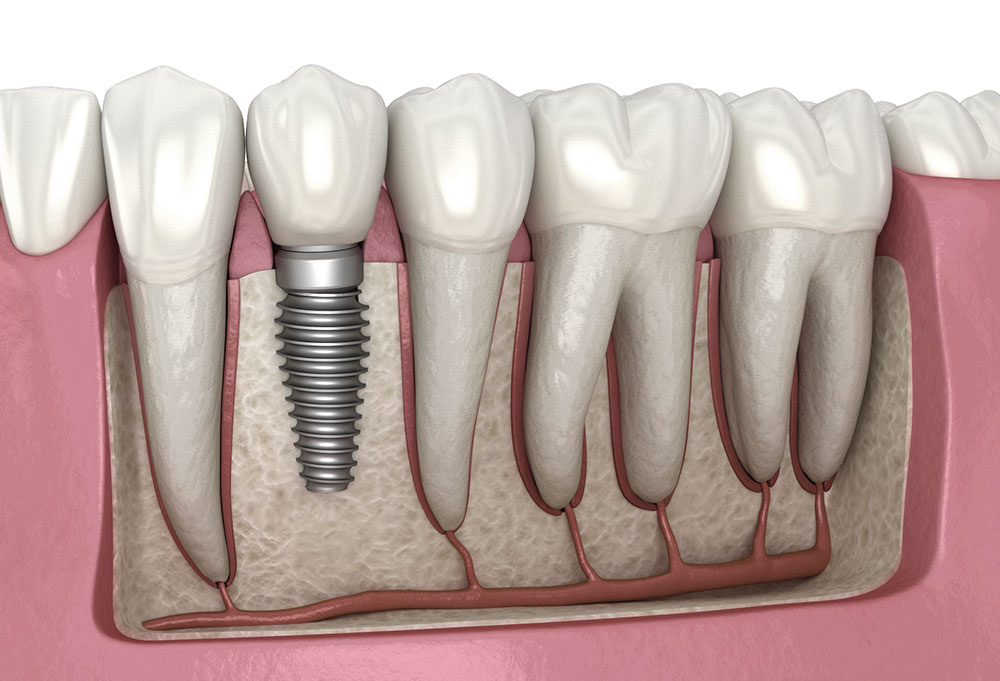
The landscape of dental implants Northern Ireland and elsewhere has undergone a remarkable transformation in recent years, with pain management taking centre stage in modern oral surgery practices. Gone are the days when patients would endure significant discomfort during and after implant placement, as pioneering techniques now ensure a far more comfortable experience throughout the entire process.
Contemporary dental professionals have embraced innovative approaches that prioritise patient wellbeing whilst maintaining the highest standards of surgical precision. These advancements represent a significant leap forward from traditional methods, offering patients the confidence to pursue implant treatment without the anxiety that once accompanied such procedures.
Pre-Procedural Pain Prevention Strategies
Modern dental practices have developed comprehensive pre-operative protocols that begin long before patients enter the surgical suite. These strategies focus on establishing optimal conditions for minimal discomfort, incorporating advanced assessment techniques and personalised treatment planning.
Advanced Anaesthetic Techniques
The evolution of local anaesthetic administration has revolutionised patient comfort during implant procedures. Computer-controlled delivery systems now provide precise, consistent anaesthetic distribution, eliminating the unpredictable nature of traditional injection methods. These systems allow practitioners to deliver medication at optimal rates and pressures, significantly reducing injection discomfort.
Topical anaesthetic applications have also been refined, with newer formulations providing enhanced numbing effects before injection. This multi-layered approach ensures patients experience minimal sensation throughout the anaesthetic administration process, setting the foundation for a comfortable procedure.
Sedation Options for Enhanced Comfort
Contemporary practices offer various sedation levels tailored to individual patient needs and anxiety levels. Conscious sedation techniques, including nitrous oxide and oral sedatives, provide relaxation whilst maintaining patient responsiveness. For more complex cases or anxious patients, intravenous sedation offers deeper relaxation under careful monitoring.
These sedation methods complement local anaesthesia, creating a comprehensive comfort system that addresses both physical sensation and psychological anxiety. Patients undergoing dental implants often benefit from these combined approaches, ensuring optimal comfort throughout their treatment journey.
Intra-Operative Pain Management Innovations
During the surgical phase, cutting-edge technologies have transformed the implant placement experience. Piezoelectric surgery represents one of the most significant advances, utilising ultrasonic vibrations to cut bone tissue with remarkable precision whilst preserving soft tissues. This technique reduces trauma, bleeding, and post-operative discomfort compared to traditional drilling methods.
Laser-assisted implant surgery has also gained prominence, offering enhanced precision and reduced healing times. The laser’s ability to sterilise the surgical site whilst cutting minimises bacterial contamination and promotes faster tissue recovery, ultimately reducing post-operative pain levels.
Real-Time Monitoring and Adjustment
Modern surgical suites employ sophisticated monitoring systems that track patients’ vital signs and comfort levels throughout procedures. This real-time feedback allows practitioners to make immediate adjustments to anaesthetic levels or surgical techniques, ensuring optimal patient comfort is maintained consistently.
Digital imaging and guided surgery systems further enhance precision, reducing surgical time and tissue manipulation. These technologies enable practitioners to place implants with minimal invasiveness, directly correlating to reduced post-operative discomfort and faster recovery periods.
Post-Operative Recovery Management
The recovery phase has benefited enormously from evidence-based pain management protocols. Multi-modal analgesia approaches combine different medication classes to target various pain pathways simultaneously, providing superior relief with reduced side effects compared to single-drug regimes.
Practitioners now provide comprehensive post-operative care instructions for dental implant patients that include detailed pain management strategies. These guidelines incorporate both pharmaceutical and non-pharmaceutical approaches, empowering patients to actively participate in their recovery process.
Cold therapy protocols, specific dietary recommendations, and gentle oral hygiene techniques form integral components of modern recovery plans. Patients receive detailed guidance on managing post-surgical discomfort effectively, ensuring they understand when discomfort is normal and when to seek additional support.
Looking Towards the Future
The continuous evolution of pain management in dental implant procedures reflects the profession’s commitment to patient-centred care. Emerging technologies, including advanced biomaterials and regenerative techniques, promise even greater comfort levels for future patients. These innovations, combined with comprehensive pain relief strategies, ensure that dental implant procedures will continue becoming increasingly comfortable and accessible to patients seeking to restore their oral health and confidence.