Understanding the Longevity of Composite Bonding
Composite bonding Bournemouth and elsewhere has revolutionised cosmetic dentistry, offering patients an affordable and minimally invasive solution to transform their smiles. This popular treatment involves applying a tooth-coloured resin material to repair chips, close gaps, or reshape teeth. However, like any dental restoration, composite bonding is not immune to the effects of time and daily wear. Understanding what happens to this material over the years and how to properly maintain it can significantly extend its lifespan and keep smiles looking their best.
When patients first leave the dental chair after receiving composite bonding, the results are typically spectacular. The newly bonded teeth appear seamless, natural, and beautifully contoured. Yet, as months and years pass, various factors begin to influence the appearance and integrity of the bonding material. The composite resin, whilst durable, is susceptible to staining, chipping, and gradual wear. These changes don’t happen overnight, but they do accumulate, which is why proper care and maintenance become essential components of preserving the treatment’s aesthetic benefits.
The Natural Ageing Process of Composite Materials
Over time, composite bonding undergoes several predictable changes that patients should anticipate. The most common issue is discolouration, which occurs as the porous nature of the resin material allows pigments from food, beverages, and tobacco to gradually penetrate its surface. Coffee, tea, red wine, and heavily pigmented foods can all contribute to this staining process. Unlike natural tooth enamel, which can be whitened with professional treatments, composite resin materials respond differently to whitening agents, making prevention the best strategy.
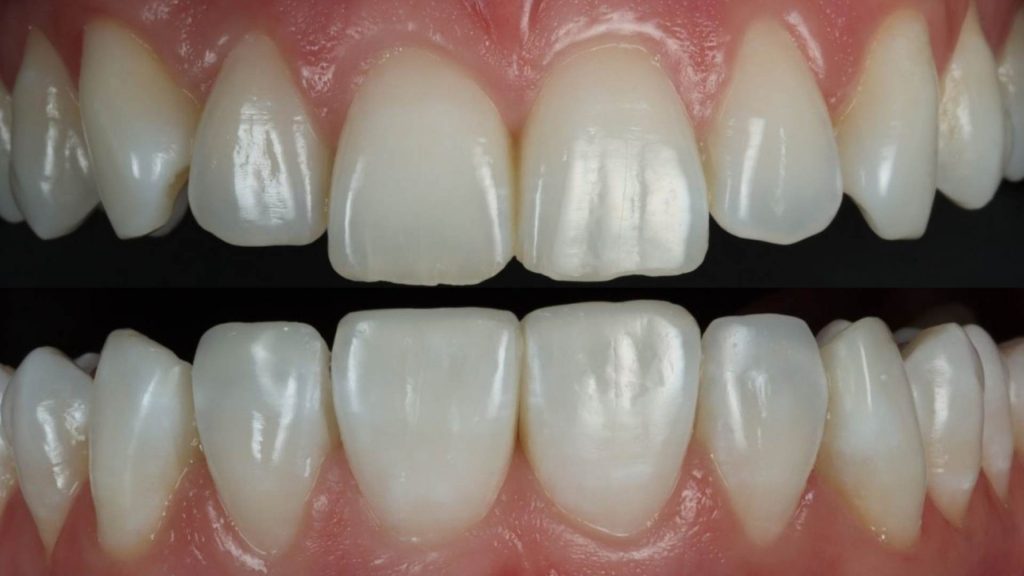
Beyond discolouration, the physical structure of composite bonding can also deteriorate. The edges of the bonded material may begin to chip or wear down, particularly in areas subject to heavy biting forces. The bonding can also lose its initial lustre and develop a rougher texture over time. These changes are entirely normal, though their rate of progression varies considerably depending on individual habits, oral hygiene practices, and the location of the bonding within the mouth.
Factors That Influence Bonding Durability
Dietary Habits and Lifestyle Choices
The longevity of composite bonding patients receive depends significantly on their daily habits. Consuming highly acidic foods and beverages can soften the resin material, making it more vulnerable to staining and wear. Similarly, biting into hard foods or using teeth as tools to open packages places excessive stress on the bonding, increasing the risk of fractures or complete detachment.
Oral Hygiene and Professional Care
Maintaining exemplary oral hygiene proves crucial for extending the life of composite bonding. Regular brushing with a non-abrasive toothpaste and daily flossing help prevent plaque accumulation around the bonded areas, which can lead to decay at the margins where the composite meets natural tooth structure. Professional dental cleanings every six months allow dental hygienists to polish the bonding and remove surface stains before they become permanent, whilst also checking for any signs of deterioration that might require attention.
Essential Maintenance Strategies for Long-Lasting Results
Patients who wish to maximise the lifespan of their composite bonding should adopt several protective measures. Wearing a custom-fitted night guard can shield bonding from the damaging effects of teeth grinding or clenching during sleep, conditions known as bruxism. This simple preventive device distributes biting forces more evenly and prevents the excessive wear that can prematurely age composite restorations.
Avoiding particularly staining substances during the first 48 hours after bonding application is especially important, as the material continues to cure and harden during this period. Even after this initial phase, moderating consumption of staining agents and rinsing the mouth with water after consuming them can significantly reduce discolouration. Some patients find that drinking dark beverages through a straw helps minimise contact with bonded front teeth.
Recognising When Repairs or Replacement Become Necessary
Despite diligent care, composite bonding eventually requires professional attention. Most bonding lasts between five and seven years, though some patients enjoy considerably longer results with proper maintenance. Following recommended aftercare protocols helps ensure optimal longevity, but patients should remain vigilant for signs that repairs may be needed.
Visible chips, noticeable discolouration that cannot be removed through professional cleaning, rough edges, or separation between the bonding and natural tooth all indicate that intervention is required. Fortunately, composite bonding can often be repaired or refreshed without completely removing the existing material, making touch-ups relatively straightforward and cost-effective.
Preserving Your Investment in a Beautiful Smile
Composite bonding offers remarkable aesthetic improvements with minimal tooth preparation, making it an attractive option for smile enhancement. Understanding the natural ageing process of these restorations and implementing appropriate maintenance strategies ensures that patients can enjoy their improved smiles for many years. With proper care, regular dental visits, and mindful lifestyle choices, composite bonding remains an excellent long-term solution for achieving and maintaining dental aesthetics.