
Choosing tequila becomes easier when you know what aging does to its flavor. A clear spirit may taste fresh and lively, while an aged variety can offer warmer notes. Understanding these differences helps you select a bottle that suits your preferences. A drinking tequila newsletter can also provide useful tasting notes and serving ideas. Start by checking the label and considering the flavors you enjoy.
What Shapes Flavor?
Tequila flavor depends on the cooked agave, production methods, and aging period. Oak barrels can add depth and change the spirit’s color. These details help explain the differences between common varieties.
Which Types Suit You?
Tequila labels often indicate how long the spirit has aged and what to expect.
- Blanco tequila usually delivers fresh agave notes with bright peppery flavors.
- Reposado rests in oak barrels for a smoother, warmer profile.
- Añejo develops deeper flavors through longer barrel aging and careful storage.
- Extra añejo offers extended aging with richer oak and spice notes.
- Mixto tequila contains sugars from sources beyond blue agave, unlike traditional 100% agave tequila.
How Should You Set Preferences?
Consider whether you prefer crisp agave flavors or rounded notes from oak. Your taste preference matters more than choosing the oldest bottle. Compare labels before making a purchase.
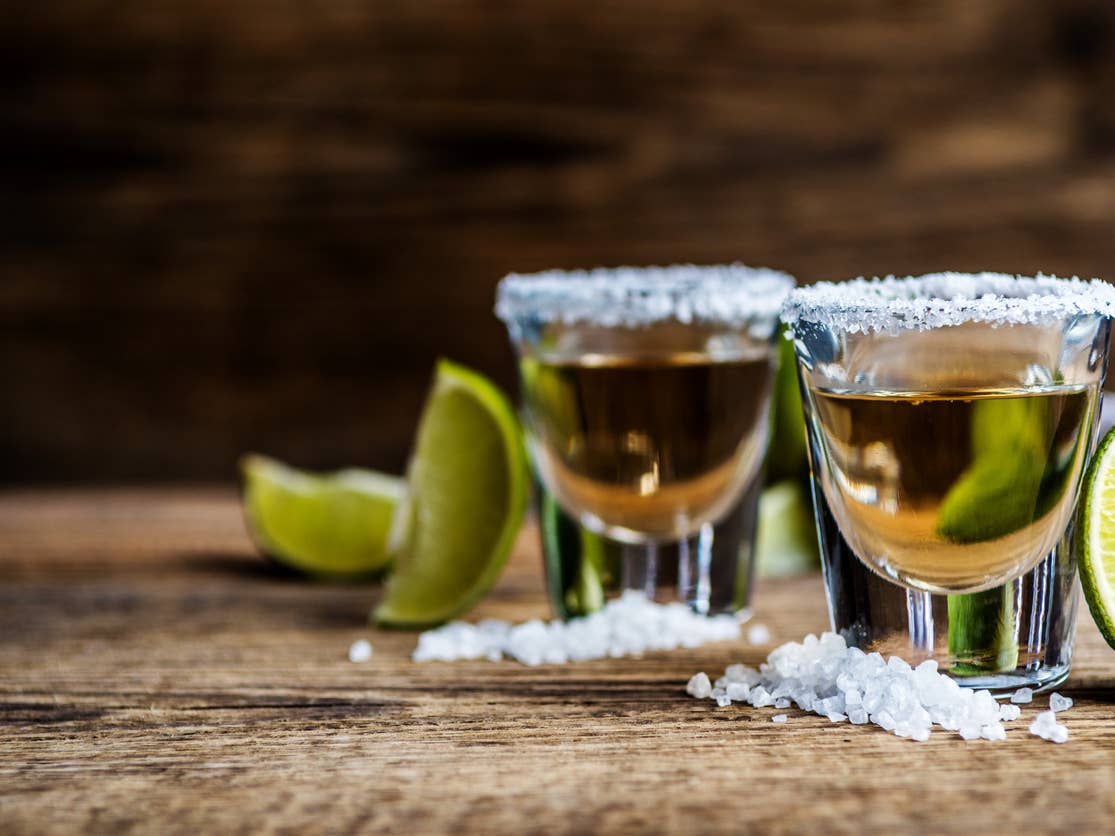
Compare Aging and Flavor
Blanco tequila is generally unaged or aged briefly in permitted containers. Reposado spends at least two months in oak, while añejo ages for at least one year. Extra añejo requires at least three years of aging in oak barrels.
What Do Buyers Ask?
Understanding common questions makes tequila labels easier to interpret. These answers explain the main differences without relying on price alone.
- Does older tequila always taste better? No. Aging changes flavor, but personal preference determines which style tastes best.
- Is blanco tequila suitable for cocktails? Yes. Its fresh agave character works well in many mixed drinks.
- What flavors can oak contribute? Oak may add vanilla, spice, caramel, and toasted wood notes.
- Does tequila color indicate quality? Not necessarily. Color reflects aging and may also be influenced by permitted additives.
- What does 100% agave mean? It identifies tequila made from sugars derived entirely from blue agave.
Choose with Care
Before buying a bottle, consider these points:
- Read the label to confirm the tequila category and agave content.
- Compare flavor descriptions instead of relying solely on bottle appearance.
- Check the producer’s details for clearer information about aging practices.
- Choose a serving style that complements the spirit’s flavor profile.
- Serve responsibly and follow local legal drinking age requirements.
Taste with Purpose
Good tequila selection begins with knowing what you enjoy rather than choosing by color or age alone. Read labels and compare tasting notes before deciding. A drinking tequila newsletter may help you learn about different styles over time. Keep your preferences in mind and enjoy tequila responsibly.