
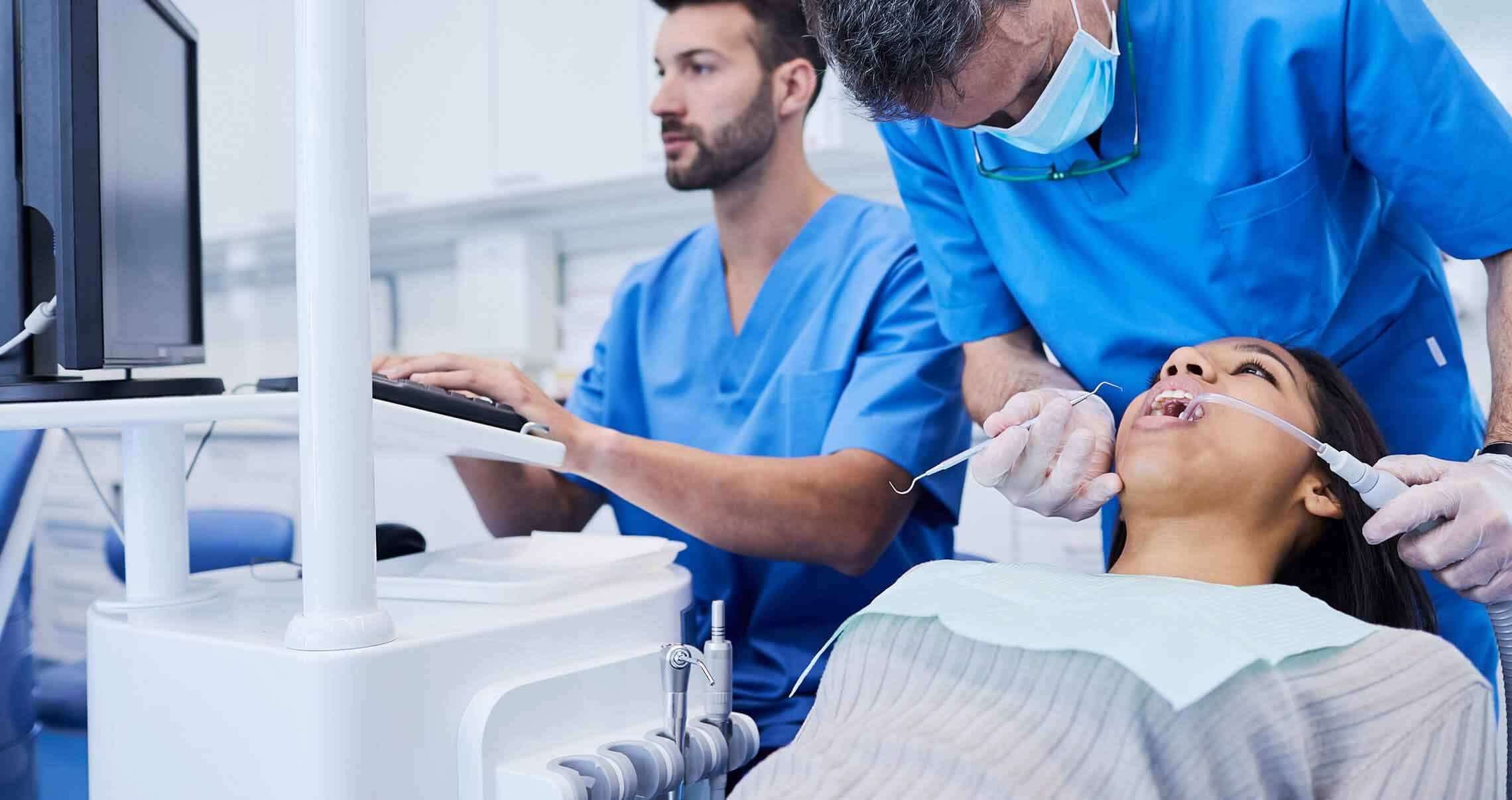
The Revolutionary Frontier of Tooth Restoration
The human tooth represents one of nature’s most remarkable engineering achievements, yet dental enamel remains the body’s hardest substance whilst simultaneously being its most vulnerable to permanent damage. Unlike bones, which possess the remarkable ability to heal and regenerate, tooth enamel has long been considered irreplaceable once lost. However, groundbreaking scientific research has helped develop revolutionary treatments, available at the dentist Richmond.
Recent advances in regenerative medicine have sparked unprecedented interest amongst dental professionals worldwide. Scientists are now exploring innovative approaches that could enable the human body to naturally restore damaged enamel, potentially eliminating the need for traditional fillings and crowns in many cases. This emerging field represents a paradigm shift that could benefit millions of patients seeking alternatives to conventional dental treatments.
Understanding Enamel’s Complex Structure
Dental enamel consists primarily of hydroxyapatite crystals, arranged in intricate rod-like structures that provide exceptional strength and durability. These microscopic formations create a protective barrier that shields the underlying dentine from bacterial invasion and physical wear. The complexity of this natural architecture has long presented challenges for scientists attempting to replicate or restore its unique properties.
The absence of living cells within mature enamel explains why natural regeneration does not occur spontaneously. Unlike other tissues throughout the body, enamel lacks the cellular machinery necessary for self-repair, making it particularly susceptible to irreversible damage from acids, bacteria, and mechanical forces. This fundamental limitation has driven researchers to seek alternative solutions through biomimetic approaches.
Breakthrough Research in Artificial Enamel
Recent studies on biomimetic enamel regeneration techniques have demonstrated promising results in laboratory settings. Scientists have successfully developed synthetic materials that closely mimic the mineral composition and structural organisation of natural enamel. These artificial alternatives show remarkable potential for integration with existing tooth structure, offering hope for patients with extensive enamel loss.
The development of specialised toothpastes containing artificial enamel ingredients has garnered significant attention from dental professionals. Research comparing artificial enamel toothpaste effectiveness against traditional fluoride treatments suggests that these innovative formulations may offer superior protection and restoration capabilities. Such advances could revolutionise preventive dental care, providing patients with more effective tools for maintaining optimal oral health.
Clinical Applications and Treatment Options
Progressive dental practices are beginning to incorporate these emerging technologies into their treatment protocols. A forward-thinking dentist Richmond might utilise advanced regenerative techniques alongside traditional approaches to provide comprehensive care for patients with enamel defects. These innovative treatments offer particular benefits for individuals with genetic enamel disorders or those who have experienced significant acid erosion.
Gel-Based Regeneration Therapies
Among the most promising developments in enamel restoration are specialised gel treatments that can be applied directly to damaged tooth surfaces. These innovative formulations contain biomimetic compounds designed to encourage mineral deposition in areas where natural enamel has been compromised. Enamel regeneration gel treatments represent a significant advancement over traditional remineralisation therapies, offering enhanced penetration and longer-lasting effects.
The application process for these regenerative gels typically involves professional supervision to ensure optimal results. Dental professionals carefully prepare the tooth surface before applying the treatment, allowing the active ingredients to penetrate effectively into the damaged enamel structure. Multiple sessions may be required depending on the extent of enamel loss and the patient’s individual response to treatment.
Future Implications for Dental Practice
The integration of enamel regeneration technologies into mainstream dental practice could fundamentally alter treatment approaches for common conditions such as tooth decay and erosion. Rather than removing damaged tissue and replacing it with artificial materials, dentists may soon be able to stimulate natural healing processes that restore teeth to their original strength and appearance.
These advances hold particular promise for paediatric dentistry, where preserving natural tooth structure is paramount for long-term oral health. Children who develop early enamel defects could benefit enormously from regenerative treatments that eliminate the need for extensive restorative work during their formative years. Such interventions could prevent the cycle of repeated dental procedures that often accompanies traditional treatment approaches.
Challenges and Considerations
Despite the exciting potential of enamel regeneration technologies, several challenges remain before these treatments become widely available. Regulatory approval processes require extensive clinical trials to demonstrate both safety and efficacy over extended periods. The cost of developing and implementing these advanced therapies may initially limit their accessibility to certain patient populations.
Long-term studies are essential to understand how regenerated enamel performs compared to natural tissue over decades of use. Researchers must also investigate potential interactions with existing dental materials and treatments to ensure compatibility with current practice standards.
The Future of Dental Care
Enamel regeneration represents just the beginning of a broader transformation in dental medicine. As our understanding of tooth biology deepens, entirely new treatment paradigms will emerge that prioritise preservation and restoration over replacement. These scientific advances promise to deliver more effective, comfortable, and sustainable solutions for maintaining optimal oral health throughout life, fundamentally changing how both patients and practitioners approach dental care.